Kelp
Restoration Program
Te Kohuroa Rewilding's kelp restoration program runs from spring through till early autumn each year. The program is delivered through a series of community-led active restoration events, where volunteers carry out marine surveying, biodiversity monitoring and kina (sea urchin) harvesting to support kelp regrowth within the bay.
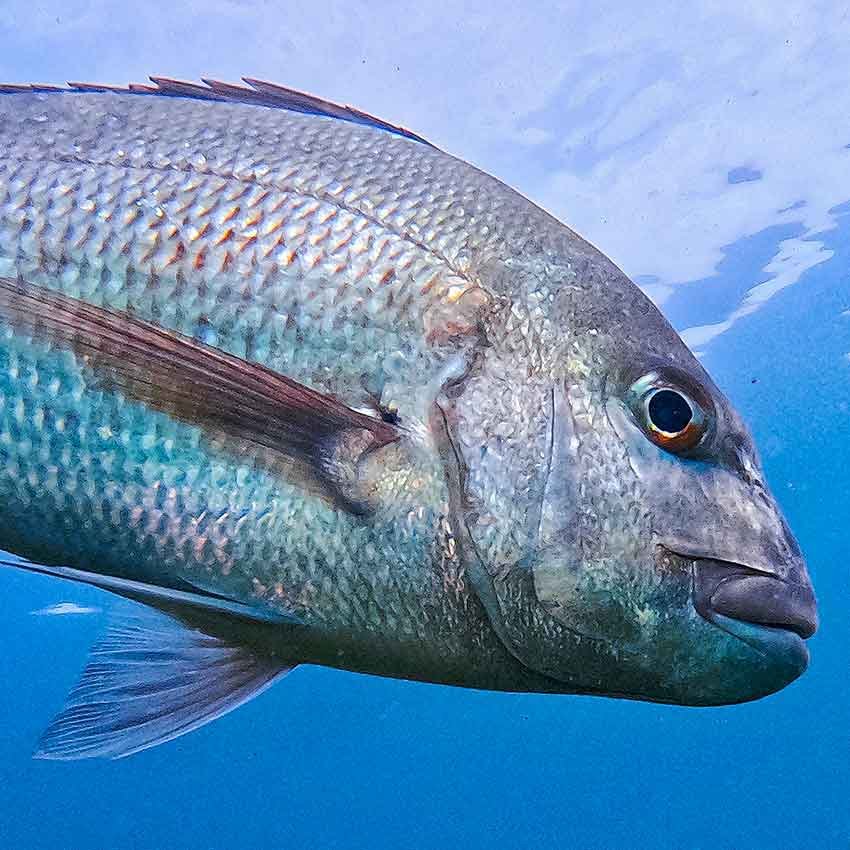
The kelp restoration program is working to reverse the effects of overfishing at Te Kohuroa Matheson Bay. Species, such as tāmure (snapper) and rock lobster (crayfish), are no longer abundant enough to carry out their role as reef guardians and keep kina populations (their favourite food) in balance. By respectfully harvesting kina from barren areas of rocky reef, our community are beginning to see the restoration of these essential underwater habitats.
Restoring coastal rocky reefs
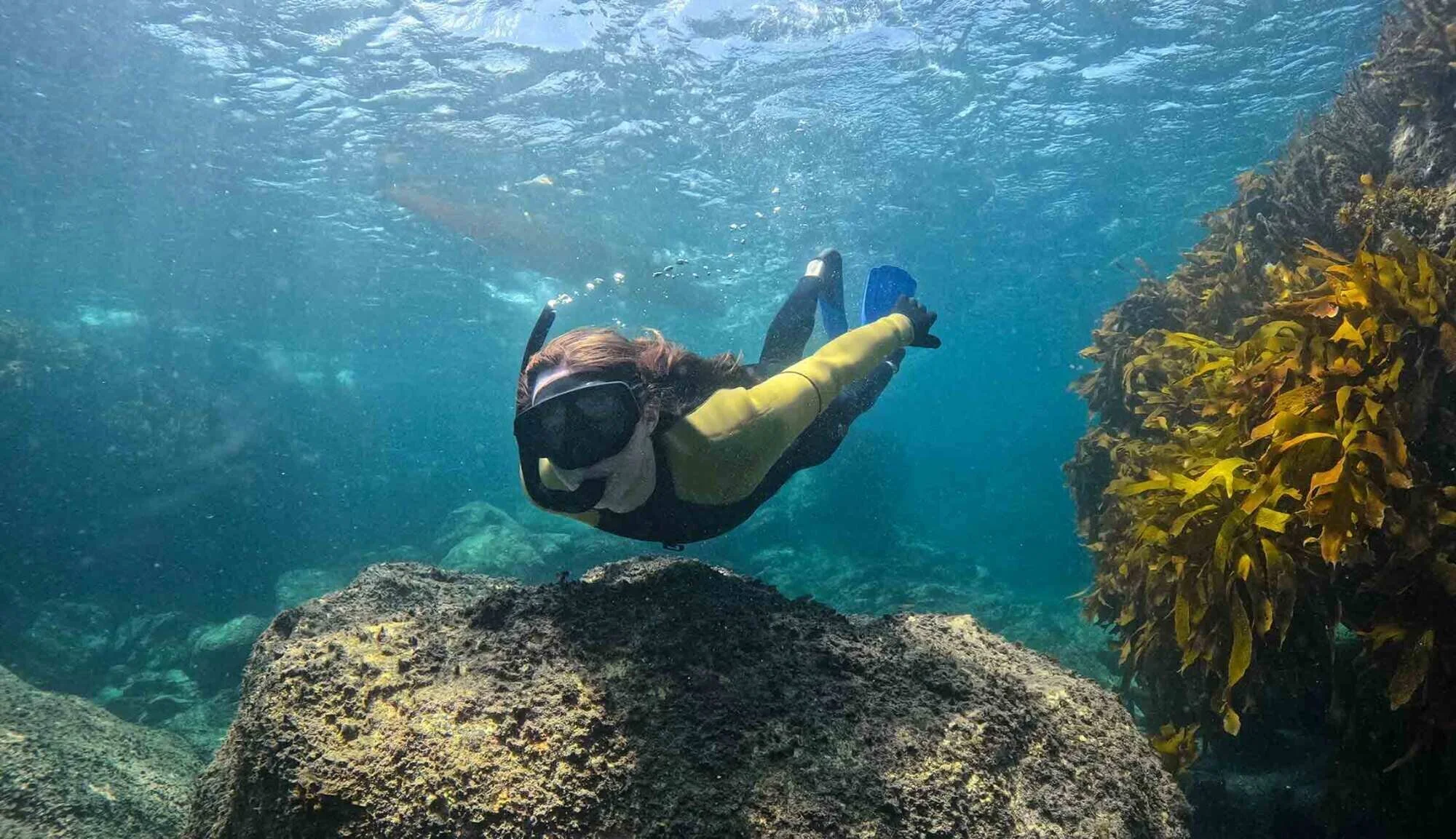
The Kelp Restoration Process
Te Kohuroa Rewilding’s kelp restoration program is centred around the principle of active guardianship. The community undertakes regular kina removals (though harvesting) to support the rebalancing of kina populations on the rocky reef and to make space for kelp regrowth.
Collaborative design
TKRI’s restoration process has been designed collaboratively, with input from scientists, mana whenua and community groups to ensure that it reflects the communities’ wishes.
The restoration site
The project’s one hectare restoration site (pictured below) wraps around Te Kohuroa Matheson Bay’s island. It is approximately a 300m snorkel from the shore, and the site is split into four zones to assist with the planning of the communities’ harvesting and monitoring activities.
Harvesting with purpose
All harvesting is carried out through an MPI Special Restoration Permit (#914), which allows the community to harvest above the daily kina catch limit to support kelp restoration. Volunteers follow a specific protocol to ensure the respectful handling of the animals, and donate the harvested kina to local mana whenua or community.
Monitoring the impact
Each season, the project team carries out research grade monitoring and citizen science before and after the harvesting takes place. This helps to measure changes in biodiversity, kelp canopy cover and sea urchin wellbeing to assess if the active restoration process is having a positive impact on reef health.
DID YOU KNOW?
SEA URCHINS ARE NOT PESTS
They are a taonga (treasured) species and an important part of the marine ecosystem. Kina are also endemic to Aoteaora New Zealand.‘TROPHIC CASCADES’ CAUSE AN IMBALANCE
When key species are removed from an ecosystem, it impacts the balance of life. Overfishing has removed important sea urchin predators, which is why kina are now overpopulated on many coastal rocky reefs.KELP GROWS SUPER FAST!
New kelp shoots can grow to maturity in a matter of months, making it possible to see significant kelp canopy recovery within 12 - 18 months.HARVESTING IS NOT A PERMANENT SOLUTION
While it’s possible for active restoration (such as community kina removals) to kickstart kelp regrowth, only the return of sea urchin predators will provide a permanent solution.
Why Kelp Restoration?
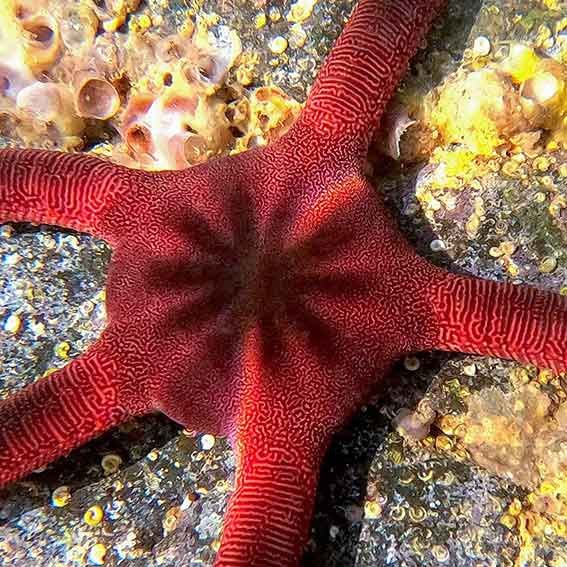
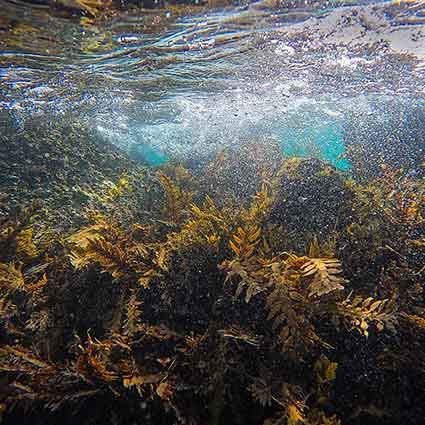
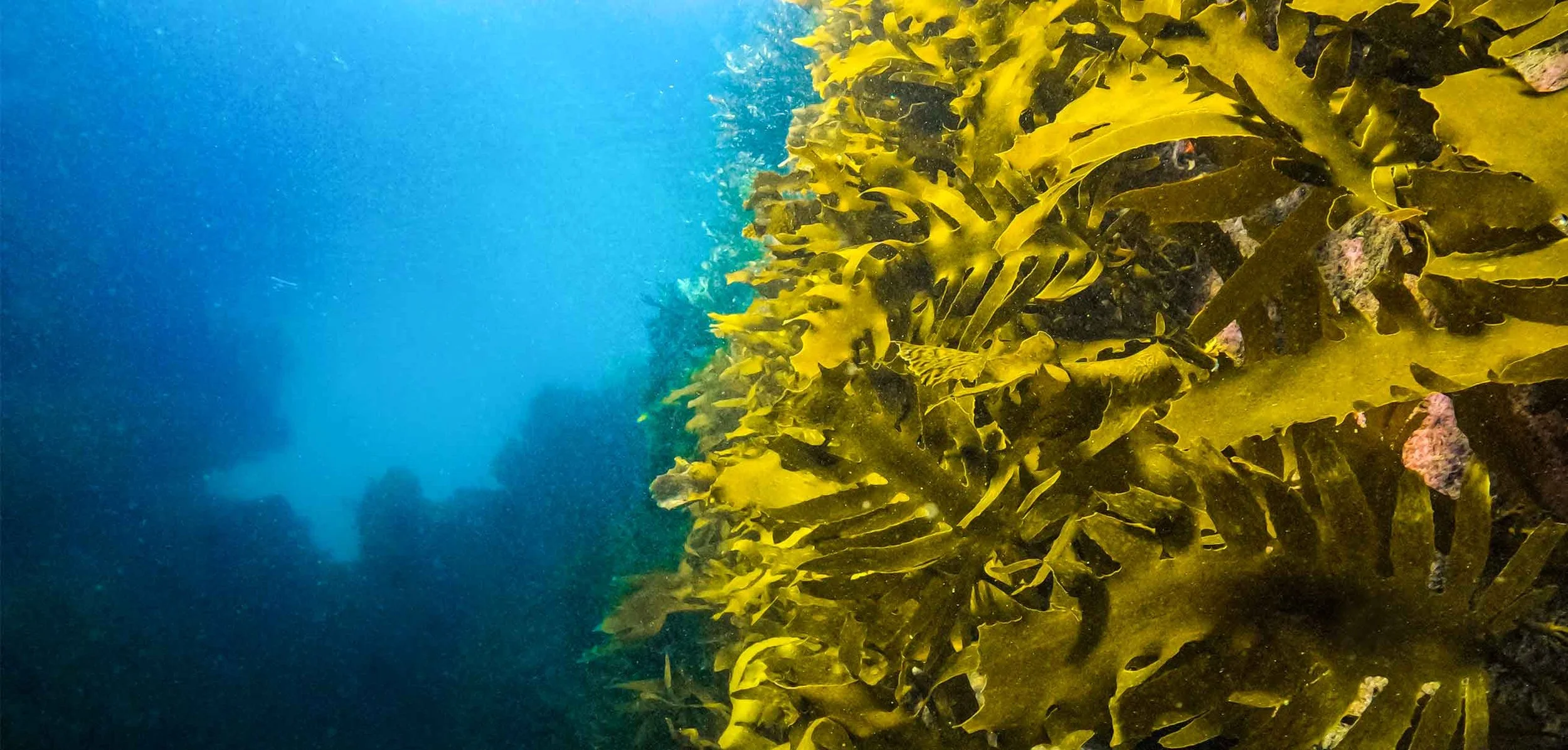
Kelp forests provide essential habitat for a wide range of ocean species, such as crabs, octopus, fish and lobsters. When healthy, kelp forests support a rich abundance of marine life and create essential biodiversity hotspots. They support the feeding grounds of many seabirds, protect juvenile and adult fish, and provide a permanent home for invertebrates such as sponges, shellfish and starfish.
Kelp forests also support life on earth. Along with other seaweeds, kelp forests contribute to the production of over half of the oxygen on the planet, absorb excessive nutrients and act as carbon sink (buffering the effects of climate change). They also help to protect coastlines by acting as a 'nature-based coastal defence system' against storm damage.
Due to ongoing, human-driven stressors (such as overfishing, sedimentation run off, ocean acidification and rising sea temperatures), kelp forest ecosystems are under threat. It is estimated that around one third of kelp forests have been significantly reduced along Aotearoa New Zealand's north-eastern coastline, forming barren areas. This loss of critical habitat not only affects the wellbeing of local coastal ecosystems, but also the health of Tikapa Moana, Te Monananui a toi, the Hauraki Gulf Marine Park.
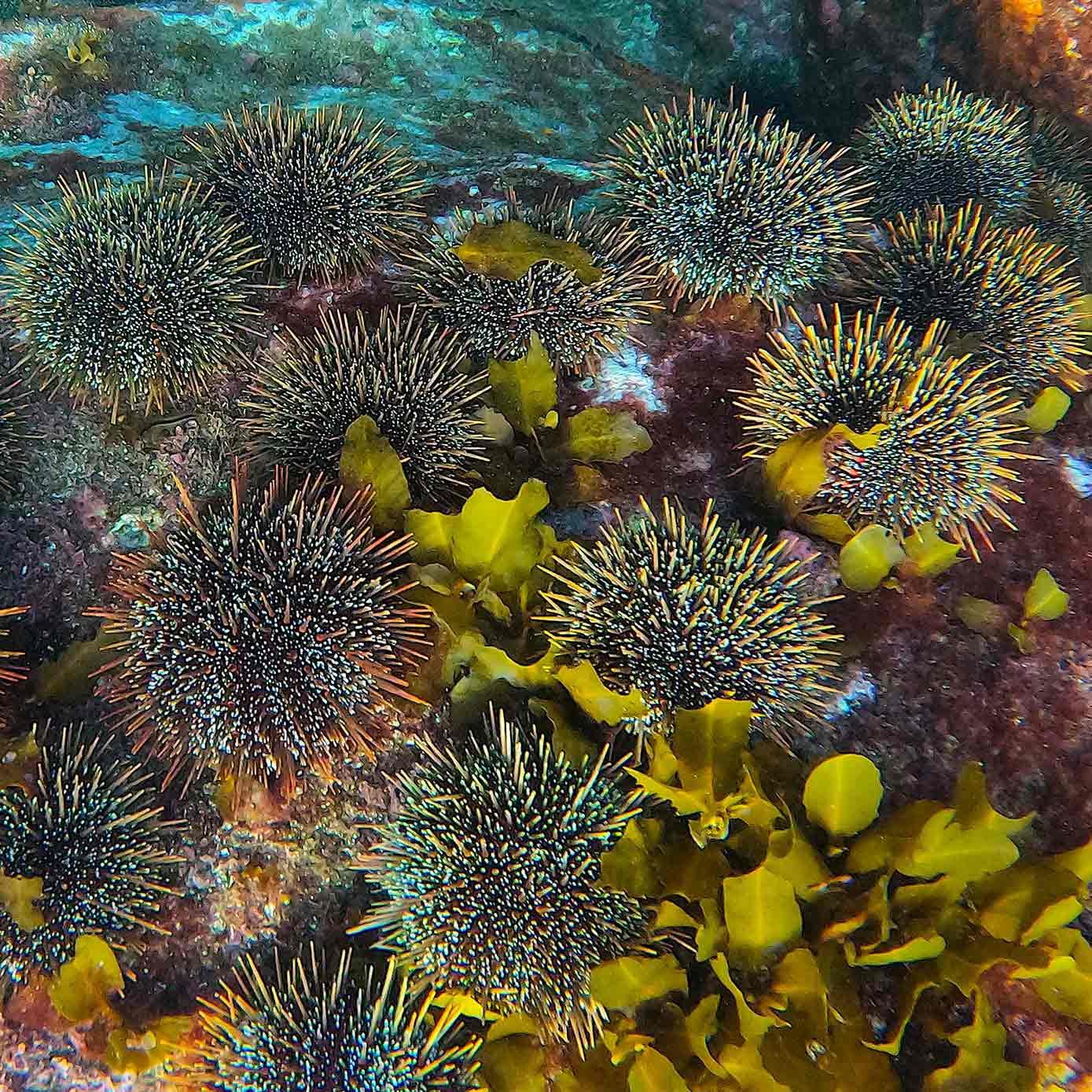
Kina are a taonga (treasured) species, and an important part of the marine ecosystem. They naturally graze away small patches of rock to allow for new seaweed growth.
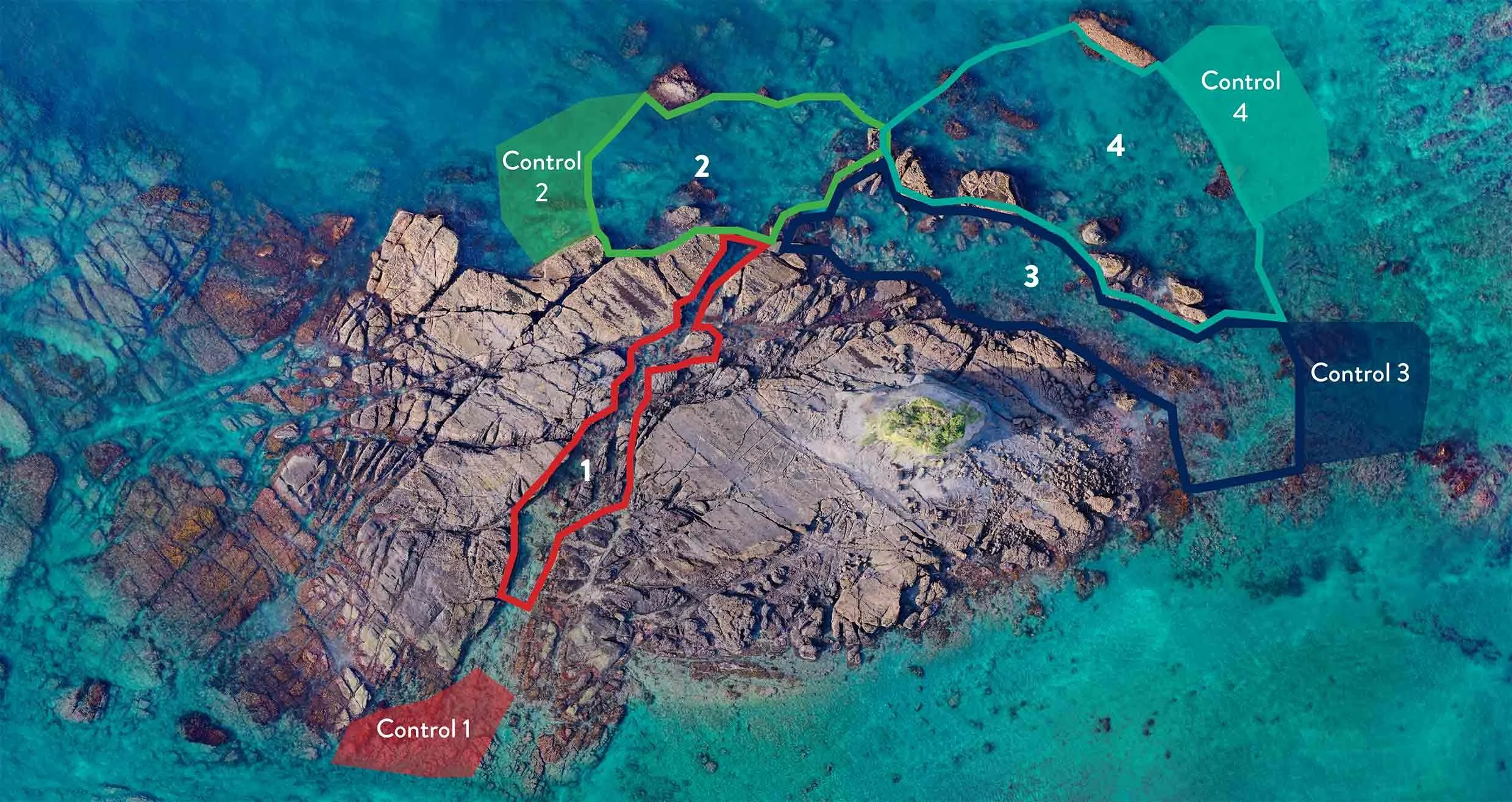
Te Kohuroa Rewilding’s Kelp Restoration Site
Become a kelp restoration volunteer!
Contribute to long-term coastal guardianship.
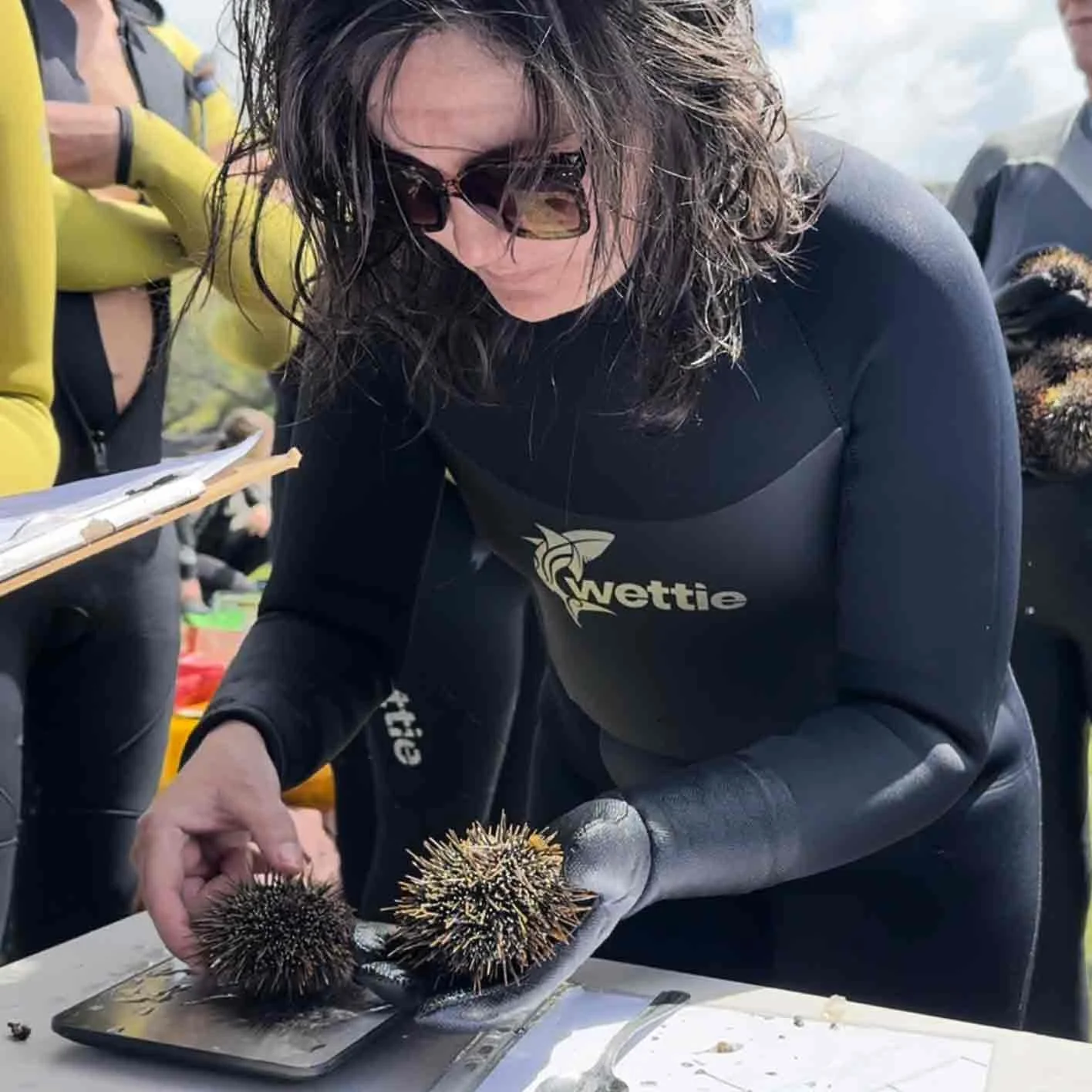
Events and Citizen Science
From September to May each year Te Kohuroa Rewilding runs a series of active restoration activities and educational events to encourage community-led environmental guardianship of the marine ecosystem at Te Kohuroa Matheson Bay. You can volunteer for:
🐟 Kelp restoration events - learn about the kelp restoration process and harvest kina
🐟 Marine monitoring - join us in the water to survey biodiversity and reef health
🐟 Citizen science - participate in kina wellbeing surveys and species ID
🐟 Training and workshops - attend a session to up-skill your rewilding knowledge
Check out our upcoming events to find out how to get involved through the link below.
Kelp Restoration | Freshwater Catchment | Rewilding Rangers
Want to learn more about our community restoration outcomes?